A 2018 report by the Association for Pet Obesity Prevention found that 56% of dogs in the U.S. were overweight. And the Banfield Pet Hospital group saw a 108% increase in the percentage of dogs visiting its clinics diagnosed as overweight or obese between 2011 and 2020.
Obesity is one of the biggest killers of dogs out there. It can contribute to heart disease, skeletal conditions, diabetes, and cancer — to name but a few nasty conditions. Not only does it
make your dog's life worse and shorter, it can cost you a fortune in vet bills, especially if you don't have pet insurance.
Luckily, it's something we can
remedy. So, how do we do that? Well, there are a few ways, but the basis is: fewer calories, more exercise. Here are some tips.
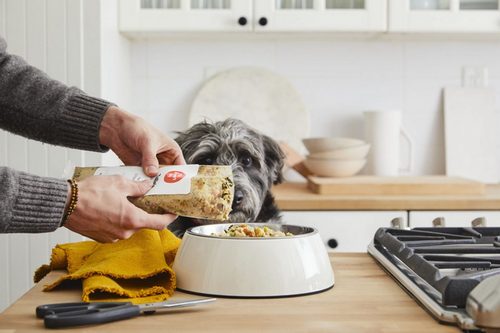
You can have better portion control. Adjust the amount you feed your dog until they maintain a healthy weight. Many fresh food brands will tailor the amount they send to your dog’s needs.
Check out our Best Fresh Dog Foods list here.
You can use dog food specifically designed for weight
loss. These tend to contain above-average protein, below-average fat and below-average calories.
Check out our Best Dog Foods for Weight Loss here —
including FAQs on feeding your dog weight loss food.
You can feed your dog fewer — or healthier — treats. (And by treats, I’m including that last piece of your
cheese sandwich that you gave up to some puppy eyes.)
Check out our Best Dog Treats list here.
And, of course,
make sure your dog is getting plenty of exercise. They need to burn off that fuel.
We've written a bigger piece on helping your dog lose weight here. And you
should talk to your vet if you think your dog is overweight or underweight.
I'm off to eat some chocolate eggs — and then go for a very long walk.