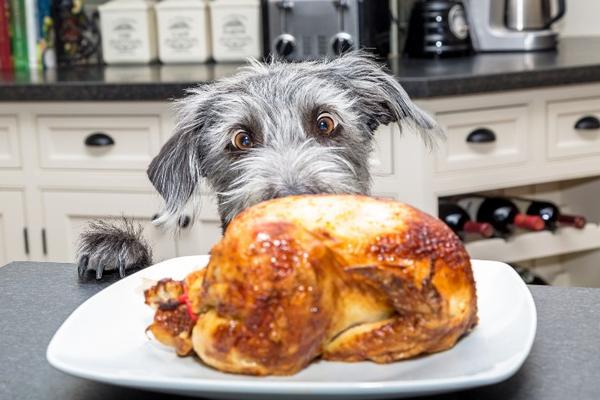
The meaning is: just because you can’t see harm, doesn’t mean it isn’t there.
And this is a big issue when it comes to homemade or DIY dog food. It’s really hard to make a nutritionally balanced and complete dog food. That’s why dog food manufacturers employ professional nutritionists.
Sadly, most homemade dog food recipes are not nutritionally complete and balanced.
The largest study of that, carried out in 2013 by UC Davis vet school and published in the
Journal of the American Veterinary Medical Association, found only 9 of the 200 homemade recipes that were tested met AAFCO’s minimum nutrient standards for dogs.
Homemade dog food is made with love. It’s often made with excellent
ingredients too. But it only takes too much or too little of one nutrient, calcium for example, to cause harm — and the trickiest thing is, you might not know it’s happening, possibly until it’s too late.
We do it with our
own diets, happily shoveling delicious grub into our bellies, only to receive a nasty diagnosis as a result of too much or too little of something. Likewise, dogs can seem fine… until they aren’t.
And this is the The Turkey Problem:
dog parents often mistake the absence of visible harm as proof that there will be no harm.
Before anyone sends in angry emails telling me how wonderful their homemade dog food is, I’m not saying you shouldn’t make your
dog’s food or that it’s not possible to do so healthily.
But if you want to, I’d strongly suggest consulting a nutritionist, ideally a board-certified one. You can find a list at the American College of Veterinary Nutrition website.
You could also try a high quality fresh or
raw dog food, which is as close to homemade as you can get. You can see our picks of the Best Fresh Dog Foods and Best Raw Dog Foods. I’d also recommend this article: Is Fresh Dog Food Worth
the Cost?
We all want the best for our dogs. Let’s do all we can to give it to them.