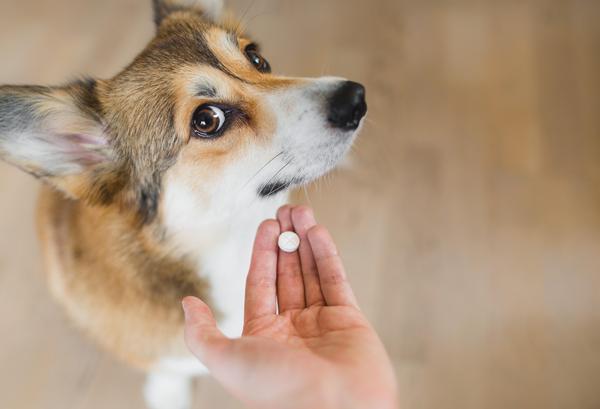
Flea and tick treatments
If you’ve never had to remove ticks or fleas from your dog, count yourself lucky as they are more than just a pesky nuisance. Here’s why it’s best to prevent them:
- Skin health: fleas and ticks can cause itching, rashes, and allergic reactions, leading to skin infections and discomfort for your dog.
- Disease prevention: ticks are known carriers of diseases like Lyme disease and Rocky Mountain spotted fever. Both fleas and tick-borne diseases can be zoonotic (meaning they are able to
spread infections to humans), so keeping them off pets is also important to maintaining the health of the humans living and interacting with them.
- Anemia: fleas can cause anemia in dogs, particularly in puppies and small breeds. Preventing flea infestations helps maintain healthy red blood cell counts.
To avoid getting an infestation you should use preventative flea treatment every four-eight weeks. They come in a variety of easy-use dosages and forms. Your veterinarian can help you pick the preventative that works best for you and your pet.
Heartworm preventatives
Heartworm disease is a potentially fatal condition transmitted through mosquito bites. Once infected, heartworms lodge in the heart, lungs, and blood vessels, causing severe health issues. Here's why heartworm preventatives are essential:
- Life-threatening disease: heartworm disease can be life-threatening if left untreated. Prevention is a far better option than trying to cure it. It can also lead to further health issues including lung disease, heart failure, other organ damage, and death in pets.
- Cost-effective: preventative medications are more
affordable and less traumatic for your dog than treatment after infection.
- Painless protection: administering monthly heartworm preventatives is a painless process and significantly easier than managing the disease's symptoms.
It is recommended to give your dog this medication every three months, all year round.
Heartworm preventives are safe, relatively inexpensive, and easy to give, but if a dog becomes
infected, heartworm treatment can be costly and difficult, requiring multiple veterinary visits and months of exercise restriction.
Vaccinations
Vaccinations are a crucial part of preventive pet healthcare. They are tailored to protect dogs from various diseases, including rabies, parvovirus, distemper, and more.
Here's why vaccinations are vital:
- Disease prevention: vaccinations are the most effective way to protect your dog from deadly diseases that are contagious and can spread quickly.
- Herd immunity: vaccinating your dog contributes to herd immunity, which helps protect other dogs in your community.
- Legal requirement: in many regions, vaccinations, especially rabies shots, are legally required to ensure public health safety.
- Lifelong health: regular vaccinations help
your dog lead a long, healthy life free from preventable diseases.
You may come across well-intentioned advice from fellow pet parents regarding “natural” remedies for prevention. However, it’s crucial to recognize that this approach is not usually
effective. Always use FDA-approved products as recommended by your veterinarian.
Please note that, unlike flea and tick or heartworm treatments, vaccinations should only be administered by a vet and not ordered online.
Ordering your preventative medication in advance with an online pharmacy such as Chewy pet pharmacy can help keep you organized and on top of your pet’s medical needs. The drugs you get from there are the same brands you’ll get from a vet.
You’ll get 20% off your first pharmacy order with this link.
Ensure your dog’s tail keeps wagging by keeping away unwanted diseases.